Insulating Your Greenhouse, Garden Structures, and Home for a Front Range Winter
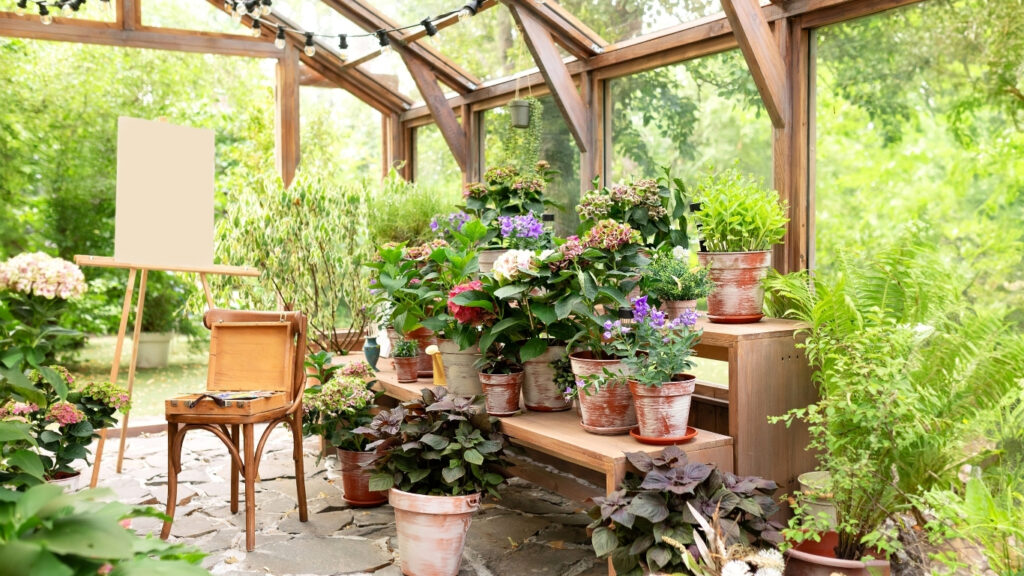
A sunny January afternoon can push a small greenhouse well above 70 degrees. Four hours after sunset the same structure sits below freezing. That swing, rather than the absolute low, is what anything overwintering on the Front Range has to survive, whether it is a bench of dormant perennials or the room you are standing in. The rest of this site covers shade gardening and hosta care through the growing season. This page starts where the structures take over.
Why Insulation Matters for Overwintering Plants Here
Snow cover between October and March is unreliable, so the ground goes most of the winter without an insulating blanket. Dry air holds almost no heat once the sun drops. And the sun at this elevation is strong enough to load a glazed structure all afternoon with heat that leaves straight back out through the glazing overnight.
Structures that would hold a steady temperature in a cloudier climate end up running a freeze and thaw cycle every 24 hours. Pots take the worst of it, since a container freezes from every side while ground soil freezes only from the top. Insulation slows the overnight loss enough to keep that swing inside what the plant can tolerate.
Insulating a Greenhouse or Green Room
An aluminum frame with glass gives a weather tight structure that minimizes heat costs and holds humidity, though it is expensive and demands a good foundation and well fitted frames. Rigid double wall acrylic or polycarbonate traps still air between two sheets and forgives more. Film plastic is cheapest and needs replacing most often: utility grade polyethylene lasts about a year, greenhouse grade with UV inhibitors 12 to 18 months, copolymer films two to three years.
Clipping a bubble wrap liner inside the frame adds a second dead air layer without replacing anything. It costs some light transmission, which matters less for dormant plants than for growing ones.
Water barrels, a stone or concrete floor, or a masonry north wall take on heat through the day and give it back slowly after dark, raising the overnight low rather than the daily average. Insulating the perimeter where the structure meets the soil stops heat draining sideways into cold ground, and that edge is the usual gap in home built greenhouses.
Small greenhouses swing faster because there is so little air inside, and opening the door alone produces a large gain or loss. Circulating fans keep warm air from collecting at the ridge while the plants sit in cold air on the floor. Size them at roughly a quarter of the greenhouse air volume in cubic feet per minute and run them through the winter. Vent any gas, oil, or wood heater outside; unvented propane and kerosene heaters are not recommended.
Cold Frames, Hoop Houses, and Other Season Extenders
A cold frame runs on sunlight alone. Soil takes on heat during the day and the cover slows the loss at night. Put it on a southern or southeastern exposure with a slight slope for drainage and solar gain, and a wall or hedge to the north as a windbreak. Sinking the frame into the ground insulates it on its own. Keep it under four or five feet wide so you can still reach across.
Burlap sacks stuffed with leaves, old blankets, or tarps thrown over the frame overnight still work for a hard cold snap, as do straw bales stacked against the outside walls. On clear days ventilation matters as much as insulation: put a thermometer inside, crack the sash on sunny afternoons, and close it early enough to bank some heat before dark.
Hoop houses use metal or PVC bows set about two feet into the ground under one or two layers of six mil greenhouse grade polyethylene, and two layers with air between them insulate considerably better than one. Row covers and low tunnels buy roughly four to five degrees of frost protection for far less work.
Sheds and Detached Garages for Dormant Plants
Dormant potted perennials want cold and darkness rather than warmth, which makes a shed or detached garage the simplest place to hold them. All you are aiming for is keeping the space above the point where root balls freeze solid.
Most of the heat leaves through the roof, so insulating the roof deck or ceiling returns the most for the effort. After that, seal the gap under the door, the joints where walls meet the roofline, and any wiring penetrations. Pots go on pallets or a sheet of foam board rather than bare concrete, since an uninsulated slab pulls heat out of whatever sits on it.
If You Are Insulating the House Too
The house runs the same freeze and thaw cycle as the greenhouse beside it, just with more mass to buffer it, so the same logic applies at a larger scale. Warm air collects and escapes at the top of a house the way it does at a greenhouse ridge, which is why the attic is the first place to check and the easiest place to add insulation. The gaps that drain a cold frame sideways into cold ground are the same gaps that matter in a house: the attic hatch, the joints where walls meet ceilings, the places where sealing the leak is what lets the insulation do its work. And just as a damp cold frame cover stops holding heat, wet insulation stops insulating, which is a real risk in a climate that freezes and thaws every night.
The same crews that insulate homes around the metro handle the greenhouses and outbuildings sheltering your plants, so if the work runs beyond what you want to take on yourself, one call covers both. Getting the house sealed before the first hard freeze is the same deadline the garden is working toward. Insulation companies serving the Aurora area publish their scope of work online, for instance at https://www.aurorainsulationcontractor.com/.
When to Schedule the Work
Attic work is miserable once summer heat builds and impractical once snow sits on the roof, which leaves early fall. The first hard freeze on the Front Range averages around October 15, and the job should be done before it.
Beds get cut back and watered in the same few weeks, containers come inside or get sunk, and the structures holding anything through the winter get whatever they need before the first night the temperature drops and stays down.