Sun Tolerant Hostas for High Altitude Gardens
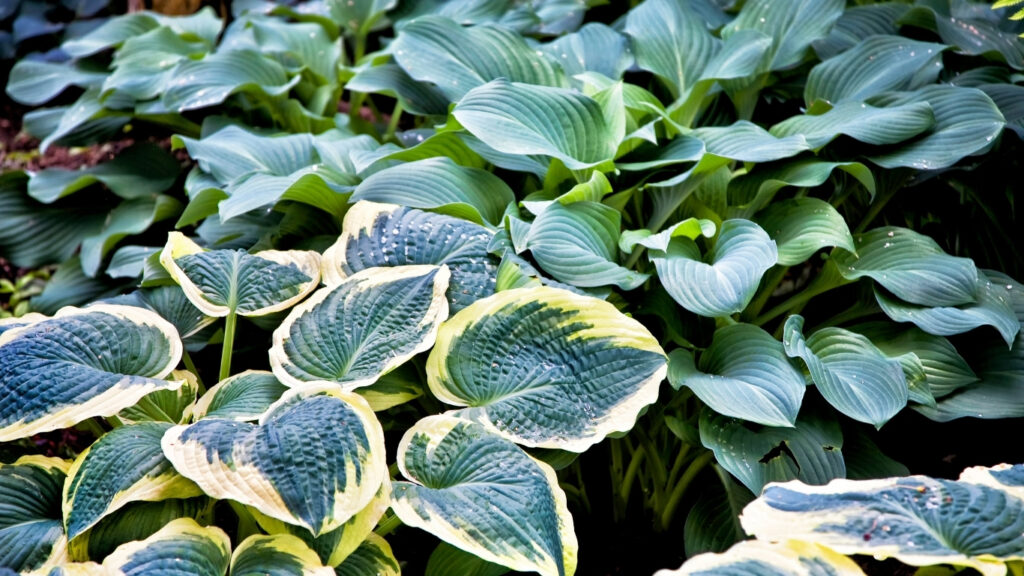
Most hosta tags say shade. That is accurate, but it does not help much when the only open ground in your yard faces east or catches two hours of morning light. Hostas vary in how much sun they will take, and at 5,280 feet that variation matters more than it does in Ohio. Ultraviolet intensity rises about six percent for every kilometer of elevation, which puts a Denver garden near ten percent above sea level before you account for how many cloudless days the Front Range gets in a summer.
What Sun Tolerance Means
Shade tolerant and sun tolerant describe different things. A shade tolerant plant survives in low light without stretching or thinning out, which nearly every hosta does well. Sun tolerant means the leaf can sit in direct light without burning, bleaching, or losing the color it was bred for. A hosta that thrives in deep shade will not necessarily hold up in an east bed that gets sun until eleven.
Sun tolerance also is not fixed. It shifts with how much water the plant gets, how thick the leaf is, and whether the light arrives in the morning or the afternoon. The same cultivar that handles four hours of Michigan morning sun can scorch in a Denver bed with the same exposure, because the light is stronger and the dry air pulls moisture out of the leaf faster than the roots replace it.
Why Gold Leaves Take More Light Than Blue
Leaf color is the fastest way to guess at a hosta’s limit. Gold and chartreuse cultivars generally take the most sun, and a few hours of morning light deepens their color instead of washing it out. Two to three hours of morning sun for gold and yellow hostas to bring out a richer leaf.
Blue hostas sit at the other end. Their color comes from a waxy coating on the leaf surface, the same kind of bloom you see on blue spruce needles. Heat, strong sun, and hard overhead watering all wear that coating down, and the leaf underneath is green. Hosta sieboldiana and the blue cultivars bred from it prefer more shade and cooler temperatures than a Front Range summer usually offers.
Green and variegated hostas fall in between. White margined cultivars have one specific weakness: the white tissue carries no chlorophyll, so it browns before the green part of the leaf shows any stress at all.
Cultivars With a Record of Handling Sun
‘Sum and Substance’ is the one most often named. It reaches roughly 30 inches tall and 60 inches across, with thick, glossy, heavily ribbed leaves that shift from yellow green toward gold as they get more light. Thick leaves lose water more slowly, which is most of the reason it holds up.
‘August Moon’ is smaller, forming a dense mound around 16 to 20 inches tall and 36 to 42 inches wide. The yellow leaves hold their color better with a little morning light than they do in full shade.
‘Royal Standard’ is a cross between Hosta plantaginea and Hosta sieboldiana, about 26 inches tall and spreading to 63 inches. The bright green leaves have a satiny sheen and pick up yellow green tones in stronger light. It carries the plantaginea fragrance, and the white flowers open in late summer.
‘Guacamole’ grows to about 18 inches, with chartreuse gold leaf centers and darker blue green margins. It comes from the same fragrant line and blooms in midsummer.
‘Minuteman’ is a medium to large plant with dark green leaves and bright white edges. It is more sun and heat tolerant than most.
There is a pattern in that group. Several of them descend from Hosta plantaginea, a Chinese species that tolerates heat, and thick leaved cultivars appear on sun tolerance lists far more often than thin leaved ones.
The Water Cost of a Sunnier Spot
Moving a hosta into more light raises how much water it needs. Hostas do best with the equivalent of about an inch of water a week, and a plant in a bright east bed here will want more than that through July and August. Deep, infrequent watering works better than a daily sprinkle, because it pulls roots down to where the soil stays cooler. Apply water at the soil rather than over the leaves, which also spares the waxy bloom on blue cultivars.
Scorch shows up first at the leaf margins and tips. The tissue turns brown and dry, often with a papery edge that crumbles when you touch it, and it does not heal. The damaged leaf stays damaged until the plant pushes new growth the following spring. When you see it, the plant needs either more water or less light, and through a Colorado July more water on its own is frequently not enough.
Where to Place Them in a Front Range Yard
The reliable pattern is morning sun with afternoon shade. Light before about eleven is weaker and the air is still cool, so the leaf can take it. Afternoon sun in July, at this elevation, is the exposure that does the damage.
East facing beds along a house or fence work well because the building blocks the west light without any help from you. Filtered light under an open canopy is the other good option. Honeylocust and other fine leaved trees let enough light through to color a gold cultivar without putting direct sun on it for more than a few minutes at a stretch. Skip the ground along the south or west side of a light colored wall, where reflected heat adds to what the sun is already doing.
Containers on a patio need closer attention than beds. A pot in bright light can dry out in a single day, and the roots heat up in a way they never would in the ground.
Hail and Wind in Open Positions
Open, sunnier positions are also more exposed positions. Hail is the obvious risk. A hosta planted under a canopy or against a building takes less of a beating, while one sitting in the open can be shredded in ten minutes by a June storm. Most plants recover. Early in the season, cut off the ruined leaves, water, and let the clump push new growth. Later in the summer there is not enough season left for a full flush, and the plant will look ragged until spring.
Wind is the quieter problem. Dry Front Range wind pulls moisture from a leaf faster than the roots can replace it, and a hosta in an open, sunny spot can show margin burn on a day that was never especially hot. Sheltered placement behind a fence or on the north side of a shed does more for these plants than extra watering does.
Given steady water and morning rather than afternoon light, the cultivars above will hold up in spots where a plant tag says they should not. If you are deciding what else goes in those beds, or working out the rest of the growing year, the hosta and shade garden guides cover siting, soil, companion planting, and seasonal care.