Where to See Mature Hostas Near Aurora: Public Gardens Worth a Visit
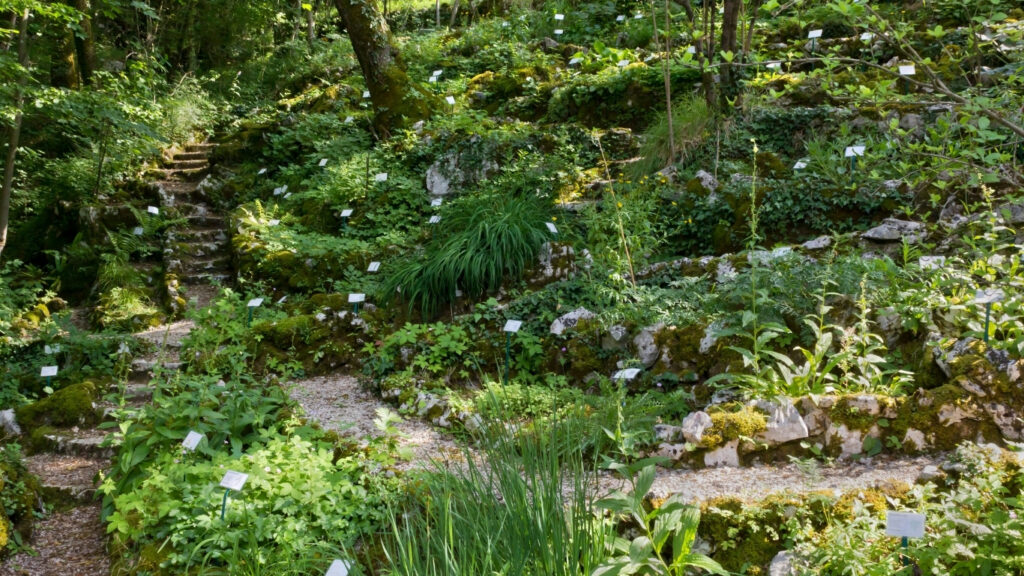
A tag saying 30 inches tall by 60 inches wide is describing a plant that has been in the ground for six years, not the quart pot in front of you at the garden center. Standing next to an established clump answers the question in about four seconds, and it shows you how the variety reads in Colorado light, which is stronger and flatter than the light in whatever photograph sold you on it.
Why a Plant Tag Is Not Enough
A cultivar listed at five feet across is telling you where it ends up, not what it will do in its first three summers. That difference decides how many plants you actually need to buy.
Beds that look right in photographs were planted at distances that feel absurd when the plants are small, and most people crowd them anyway. Seeing that gap in person is more persuasive than reading a number on a label.
A blue hosta photographed in a humid Midwest garden and the same cultivar growing at 5,280 feet do not look alike. Gold and chartreuse cultivars in particular read much brighter here, which is either what you wanted or a problem, depending on the bed.
Denver Botanic Gardens at York Street
Denver Botanic Gardens sits at 1007 York Street, roughly twenty minutes from most of Aurora. Four areas there are worth the walk if shade is what you came for.
Woodland Mosaic demonstrates low light plants in a wooded setting, which makes it the closest thing on offer to a scaled up version of the bed under your own tree.
Shady Lane opens the season with crabapples, bulbs, and spring ephemerals, then settles into a shade garden as summer arrives. It is built as a place to get out of the heat, so the plantings are doing the same job most home shade beds are asked to do.
Oak Grove is a naturalistic planting of oak species and hybrids that grow well in this region. Walk it if you are still deciding what tree to put a future shade bed under, since the canopy is the thing that determines everything below it.
Birds and Bees Walk follows a woodland path where every plant was selected to attract birds and pollinators. Worth a detour if you want the shade bed to feed something as well as look good.
Each of these areas has a plant list published online through the Gardens Navigator tool, so a plant you liked can be traced to an exact cultivar name later rather than guessed at from a phone photo. York Street is a ticketed site, so check current hours and admission before making the drive.
Hudson Gardens in Littleton
Hudson Gardens sits at 6115 S. Santa Fe Drive in Littleton, about 30 acres owned and operated by South Suburban Parks and Recreation. Garden admission is free every day of the week, sunrise to sunset, and the grounds stay open year round. The Welcome Center and gift shop run shorter hours, 9 a.m. to 4 p.m.
Thirty acres of established trees produces a great deal of shaded ground, and the plantings beneath them have had since 1996 to fill in and settle. Sections of the gardens close early on some days for events, so glance at the calendar before you drive down.
Free Options Closer to Aurora
Inside Aurora, the city’s Water-wise Garden at Alameda Parkway and Chambers Road holds more than 200 low water plant species in themed demonstration beds, open daily from dawn to dusk at no charge. It is a xeric garden, so there are no hostas in it. What it does show is the drought tolerant end of the companion list growing in genuine Aurora conditions, and that is the harder half of a dry shade bed to plan on paper.
DeLaney Farm at 170 S. Chambers Road covers 114 acres and includes a historic round barn, a community garden, and the point where the High Line Canal and Toll Gate Creek trails meet. The mature trees along the canal are a good place to see what does and does not persist in unirrigated shade.
Library entrances, recreation center foundations, and the older residential streets in original Aurora where the street trees are sixty years old all carry shade beds that have survived years without much fuss, which is its own kind of recommendation.
When to Go
Hostas are at full size from roughly late June through September. July and August are the peak, when a mature clump has reached its full spread and the fragrant cultivars are flowering. Arrive in May and you are looking at plants still unfurling. Arrive after the average first frost around October 15 and the foliage has already gone down.
Late morning on a weekday gives the best light for judging leaf color, and the fewest people standing between you and the label.
What to Look for on a Visit
- Labels, photographed with the plant. A picture of a leaf is worthless three weeks later without a name attached to it.
- The gaps between crowns, not the individual plants. That distance is the single most common thing home gardeners get wrong.
- Which way each bed faces and what is casting the shade. A hosta under an open canopy and a hosta against a north wall are in different situations, even though both get called shade.
- What sits next to the hosta and what that neighbor is contributing: finer foliage, upright form, a color the hosta does not have.
- Anything that looks bad. Public gardens have scorched margins and thin clumps too, and those plants tell you which positions are too bright more honestly than the healthy ones do.
Come home with a list of names and a rough sketch of what was planted next to what. That is worth more than any catalog. For siting, soil preparation, and getting those plants established once you have bought them, the growing hostas in Colorado guides cover the rest.